Recycling and Sustainability at Maida Vale Storage
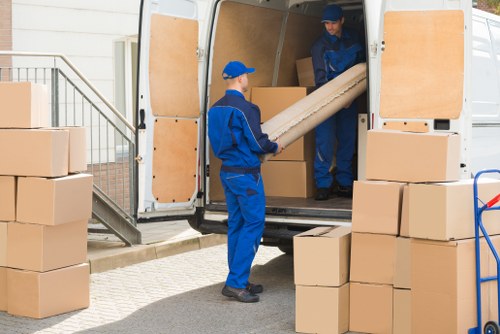 At Maida Vale Storage, sustainability is woven into everyday operations, from how units are managed to how goods are moved across the site. Our storage recycling approach is designed to reduce waste, cut unnecessary travel, and support a cleaner local environment. We aim for a minimum recycling rate of 85% across operational waste streams, with a clear focus on continual improvement year after year. That target covers cardboard, paper, plastics, wooden pallets, metal fixtures, and other reusable materials generated through routine activity.
Recycling is not just a back-office process; it shapes how the facility is run. In practice, this means sorting materials at source, keeping recyclable packaging separate, and using clearly labelled containers for different waste types. As part of our storage sustainability efforts, we also look for ways to reduce contamination so more material can be recovered rather than sent for disposal. This type of careful separation reflects the wider boroughs’ approach to waste management, where mixed recycling rules, food waste collection, and targeted dry-recycling streams all help improve recovery rates.
We also work to make recycling easier for customers and contractors on site by encouraging straightforward habits such as flattening cardboard boxes, reusing intact packaging, and separating soft plastics from rigid materials. These small actions support the broader goals of sustainable self storage and align with local authority recycling priorities across the area.
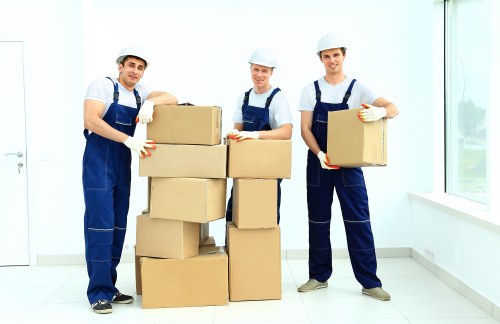 A key part of our sustainability strategy is making use of local transfer stations where waste can be properly sorted and sent to appropriate recovery facilities. By working with nearby transfer stations, Maida Vale Storage recycling processes benefit from shorter transport routes and better traceability. This helps reduce vehicle miles and supports more efficient handling of recyclable materials such as timber offcuts, shrink wrap, and office paper.
Using local infrastructure also strengthens our commitment to keeping useful materials in circulation for longer. Where possible, items are diverted into reuse or recycling channels before they ever become general waste. In practical terms, that can include broken-down shelving components, surplus packaging, and clean cardboard from deliveries. These measures are part of a wider storage sustainability programme that aims to protect resources and lower the environmental impact of everyday operations.
Our recycling targets are monitored regularly, with progress reviewed against the types of waste produced by the site. This allows us to identify opportunities to increase capture rates for recyclable material and further reduce landfill dependency. It also helps us stay responsive to changes in borough recycling rules, which often place growing emphasis on separating paper, card, glass, metals, and food waste at the point of disposal.
 Partnerships with charities form another important layer of our sustainability work. Through donations and reuse partnerships, items that still have value can find a second life instead of being discarded. We actively support charitable organisations that can pass on furniture, household goods, and office items to people who need them. This approach not only reduces waste but also adds a social benefit to our recycling at Maida Vale Storage programme.
Where suitable, reusable goods are set aside for donation rather than recycling. That might include clean shelving, storage boxes, functional small appliances, or surplus furnishings from operational changes. By prioritising reuse before recycling, we follow a more circular model that keeps materials in use for longer. It’s a simple but effective way to reduce the volume of waste sent through the system and to strengthen links with local charities and community projects.
We also encourage the responsible handling of specialist items, including batteries and electrical accessories, which require separate collection routes. In boroughs where waste separation is increasingly detailed, this kind of sorting supports safer processing and better recovery outcomes. The same principle applies across our operation: the more carefully materials are separated, the more likely they are to be reused or recycled efficiently.
Transport is another area where we are making measurable changes. Our fleet includes low-carbon vans designed to reduce emissions compared with traditional diesel vehicles. These vans support a greener approach to collections, deliveries, and site movements, helping to lower the footprint associated with day-to-day logistics. As part of our Maida Vale Storage sustainability plan, we continue to review fleet performance, route efficiency, and opportunities to expand cleaner transport options.
Low-carbon vehicles are especially useful in urban areas where short journeys, stop-start traffic, and frequent deliveries can quickly add up in terms of emissions. By choosing more efficient vans and planning routes carefully, we can reduce fuel use while still maintaining dependable service. Combined with local transfer station use, this helps create a more integrated and environmentally responsible operating model.
We also keep an eye on packaging and delivery waste created by vehicle use. For example, reusable crates, returnable packing materials, and reduced single-use wrap can all contribute to better sustainability outcomes. These small adjustments reinforce our broader storage recycling goals and show how transport, waste handling, and reuse can work together in a single system.
 Our commitment to sustainability is ongoing rather than fixed. We regularly assess how much waste is recycled, how much is reused, and where there is room to improve. This includes tracking progress toward the 85% recycling target, strengthening charity partnerships, and identifying cleaner options for collection and distribution. By combining these actions, Maida Vale Storage can support responsible operations without compromising quality or efficiency.
Looking ahead, we aim to build on current practices through better material separation, greater use of local recovery routes, and continued investment in lower-emission vehicles. We also recognise that borough-level recycling policies continue to evolve, especially around mixed dry recycling, food waste capture, and the sorting of household and commercial materials. Staying aligned with these local expectations helps us contribute positively to the wider environmental effort.
 Maida Vale Storage recycling is therefore about more than disposal: it is about reuse, reduction, and practical environmental responsibility at every stage of the operation. From local transfer stations and charity partnerships to low-carbon vans and careful waste separation, our approach is designed to make a lasting difference.
By investing in sustainable self storage practices and supporting the recycling habits already common across local boroughs, we are helping create a cleaner, more circular future for the area we serve.