Packing Mistakes to Avoid for Maida Vale House Removals
Moving home in Maida Vale can feel deceptively simple at first. It's a tidy part of West London, the streets can be busy, parking is rarely generous, and a single bad packing decision can turn move day into a long, awkward slog. The most common packing mistakes to avoid for Maida Vale house removals are usually the ones people think will save time: overfilling boxes, leaving things unlabelled, packing fragile items too casually, or assuming they'll "sort it later". Truth be told, later often means standing in a hallway with a roll of tape and a lot of regret.
This guide breaks down what goes wrong, why it matters in a Maida Vale move, and how to pack in a way that protects your belongings, keeps the day moving, and makes unpacking far less painful. If you are moving a flat, a family home, or just a few heavy pieces and boxes that need a sensible plan, this is for you.
Table of Contents
- Why Packing Mistakes Matter in a Maida Vale Move
- How Smart Packing for House Removals Works
- Key Benefits and Practical Advantages
- Who This Is For and When It Makes Sense
- Step-by-Step Guidance
- Expert Tips for Better Results
- Common Mistakes to Avoid
- Tools, Resources and Recommendations
- Law, Compliance, Standards, or Best Practice
- Options, Methods, or Comparison Table
- Case Study or Real-World Example
- Practical Checklist
- Conclusion
- Frequently Asked Questions
Why Packing mistakes to avoid for Maida Vale house removals Matters
Packing is not just about putting things in boxes. It affects how safely your belongings travel, how quickly the removals team can work, and how settled you feel when you arrive at the new place. In Maida Vale, where homes often mean stairs, tight hallways, controlled parking, and a fair amount of juggling on the pavement, weak packing gets exposed quickly.
A poorly packed move can lead to cracked glassware, bent picture frames, lost charger cables, damaged furniture edges, and that awful moment when you open a box and realise all the "miscellaneous" items have become one tangled mass. The real issue, though, is not just damage. Bad packing slows everything down. It creates confusion. It makes unloading and room placement much harder. And if you are paying for help, you really want the day to feel calm and organised, not messy.
Many people also underestimate how packing mistakes interact with storage. If your move involves a gap between properties, or you need to keep some items aside for a while, poor packing becomes even more of a problem. Boxes may be stacked longer, handled more times, and moved in and out of a unit. In that situation, thoughtful preparation matters a lot. Services such as self storage in Maida Vale, short-term storage, and long-term storage can be useful if you need a buffer, but even then, the packing still has to be right.
So the short version? Good packing protects your things, saves time, and reduces stress. Bad packing does the opposite. Fairly simple. Painfully common.
How Packing mistakes to avoid for Maida Vale house removals Works
Good packing for a house move follows a simple logic: protect, organise, and balance. Every box should be strong enough for its contents, every item should be wrapped or cushioned as needed, and every room's belongings should stay grouped in a way that makes sense later.
That sounds obvious, but in practice, people drift into rushed decisions. The kitchen is packed with whatever box is nearest. Books end up in a giant box that no one can lift. Bedding gets mixed with random ornaments. Half-used cleaning products are left loose. The result is a moving day that feels like a puzzle with missing pieces.
The safest approach is to pack room by room, using a clear order. Non-essential items first. Everyday items last. Heavy things in small boxes. Light, bulky things in larger boxes. Fragile things wrapped properly and never allowed to rattle around. If you are moving from a Maida Vale flat with limited lift access, this kind of control helps even more because each box can be moved without drama or sudden awkward balancing acts on the stairs.
For some households, the smartest plan includes a temporary storage stop. That is especially true if completion dates do not line up neatly or if the new place is smaller than the old one. In those cases, services like household storage or furniture storage can bridge the gap without forcing you to rush the packing.
One useful way to think about packing is this: every box should answer three questions immediately - what is inside, which room does it belong to, and is it safe to stack? If you can answer those three things in seconds, you are already ahead of most moves.
Key Benefits and Practical Advantages
A well-packed move is not just neater. It changes the whole rhythm of the day.
- Less breakage: Proper cushioning, correct box size, and sensible weight distribution reduce the chance of damage.
- Faster unloading: Clear labels and grouped rooms help items go straight where they belong.
- Lower stress: You are not hunting for kettle leads, passports, or medication at the exact moment you need them.
- Better use of storage: If you need a holding space, well-packed boxes stack more safely and stay in better condition.
- More efficient removals: Professional movers can work more smoothly when boxes are sensible and accessible.
There is also a quieter benefit that people notice only after the move: better packing makes the new place feel settled sooner. You can make a cup of tea, find your bedding, locate the basics, and breathe. That first evening matters. It really does.
If you are comparing moving support and support services, it can help to look at the wider services overview and the practical guidance on pricing and quotes. Knowing what is available before you start packing can shape a much smarter plan.
Who This Is For and When It Makes Sense
This advice is useful for almost anyone moving in or out of Maida Vale, but it matters most if you are in one of these situations:
- You are moving from a flat with stairs, narrow halls, or limited access.
- You have fragile household items, artwork, mirrors, or awkward furniture.
- You are downsizing and need to decide what to keep, store, or let go.
- Your move date is split from your completion date and you need temporary storage.
- You are a student, tenant, landlord, or homeowner trying to move efficiently on a tight schedule.
Students especially tend to underestimate how fast packing turns messy. A few books, kitchen bits, clothes, chargers, and small appliances can become a strange little mountain by the end of the week. If that sounds familiar, student storage in Maida Vale may be useful during term breaks or between tenancies.
Business owners moving equipment or archived files have their own version of the same problem. For them, mixed-up packing can create serious delays. In that case, it may be worth looking at business storage or, for paperwork specifically, document storage.
And if you are moving with valuable or easily damaged items, a bit of caution is not overkill. It is just common sense.
Step-by-Step Guidance
Here is a practical way to pack without creating extra work later. Keep it simple and steady. There is no prize for rushing.
- Start with a room plan. Decide what belongs in each room and gather boxes, tape, labels, scissors, marker pens, wrapping paper, and cushioning materials before you begin.
- Sort items by use and fragility. Pack the things you use least first. Holiday decorations, spare linens, old books, and seasonal items can usually go well before kitchen essentials.
- Use the right box for the right job. Heavy items like books need smaller boxes. Light items can fill larger boxes, but only if they do not crush easily.
- Wrap fragile items individually. Glasses, plates, lamps, ornaments, and framed pieces need proper protection so they do not knock together in transit.
- Keep boxes at manageable weights. A box should be liftable without straining. If you have to brace it like a gym workout, it is too heavy.
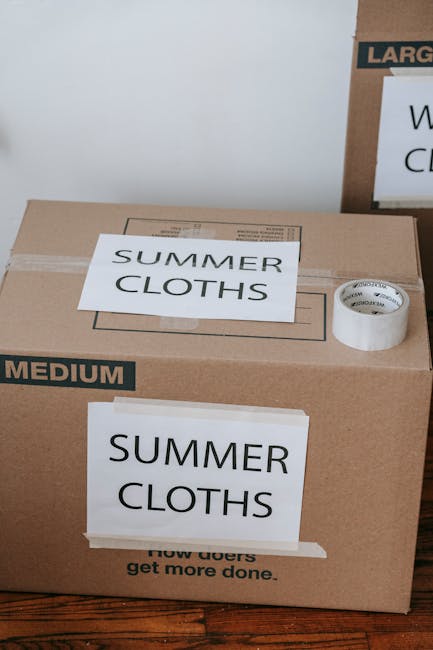
- Label clearly on more than one side. Write the room, contents, and whether the box is fragile or heavy. Side labels are useful when boxes are stacked.
- Make an essentials box. Include chargers, medication, toiletries, tea, kettle items, snacks, a torch, basic tools, and a change of clothes.
- Keep valuables and documents separate. Passports, keys, certificates, cash, jewellery, and contracts should travel with you, not vanish into a random box.
- Check each box before sealing. Shake it gently. If you hear movement, add cushioning. If the lid bulges, repack it.
A small but very real tip: pack one bag as if you are staying overnight in a hotel, because some move days run late. Toothbrush, sleepwear, phone charger, and a clean T-shirt. You will thank yourself at 9:40 pm when the last box still has not been found.
Expert Tips for Better Results
The following tips are the sort of practical details that save people from avoidable headaches. Not flashy, just useful.
Use uniform box sizes where possible
Boxes of similar size stack better, especially if you need to move items into storage or keep them in a hallway for a few hours. It also helps avoid the "wobble tower" effect that nobody wants near a staircase.
Protect edges and corners first
Edges take the most punishment. This matters for mirrors, pictures, tables, and furniture. A bit of corner protection can prevent the sort of chips and dents that are annoying now and still annoying six months later.
Do not pack by panic
Some people start with the nearest cupboard and keep going randomly. That is how batteries end up in a socks box and kitchen foil appears next to winter scarves. Pack by category, not by mood.
Think about the first 24 hours
What will you need when you arrive? Bedding, kettle items, toiletries, chargers, a few plates, and cleaning supplies are usually more helpful than a box of decorative candles. Nice things can wait.
Use storage as a pressure valve, not a dumping ground
If you are not ready to move everything at once, it is far better to send selected items into short-term storage than to overload your move with clutter you do not actually need yet. For a longer gap, long-term storage may be more suitable.
Keep an eye on what needs extra care
If a piece is expensive, sentimental, or awkwardly shaped, treat it as a special case. That may mean extra wrapping, a custom box, or choosing to move it separately. Better to spend ten extra minutes now than twenty minutes later trying to fix a mistake.
Common Mistakes to Avoid
Here is the heart of the matter. These are the packing mistakes that cause the most trouble in real house moves.
- Overpacking heavy boxes: Books, plates, and files should not be stuffed into huge boxes. The box may hold, but your back might not.
- Leaving empty space without cushioning: Items that can move around will knock into each other, especially on stairs or in a van.
- Using old or weak boxes: Soft, damaged, or previously soaked boxes fail at the worst possible moment. Usually when lifted.
- Packing liquids loosely: Toiletries, cleaning products, and kitchen liquids should be sealed properly and kept upright.
- Mixing rooms too freely: Once kitchen, bedroom, and bathroom items are all in one box, unpacking becomes a long and tedious guessing game.
- Forgetting labels: A plain brown box is not a personality. It is a problem.
- Packing the essentials too early: The one thing you need on move day ends up buried beneath ten other boxes.
- Not protecting furniture properly: Tables, chairs, and wardrobes need wrapping or padding too, especially if they are being moved through tight spaces.
- Leaving cables and small parts loose: Put screws, brackets, and chargers into labelled bags and tape them to the item they belong to where possible.
- Ignoring storage conditions: If items are going into storage, they should be clean, dry, and packed in a way that tolerates longer stacking periods.
One common scene: somebody seals a giant box full of books, then tries to carry it down a Maida Vale staircase with a slight twist in the landing. The box survives for about half a flight. The lesson lands hard, and usually in the shins.
Tools, Resources and Recommendations
You do not need a warehouse full of equipment, but a few right tools make packing much easier.
- Strong boxes in several sizes for different weight categories.
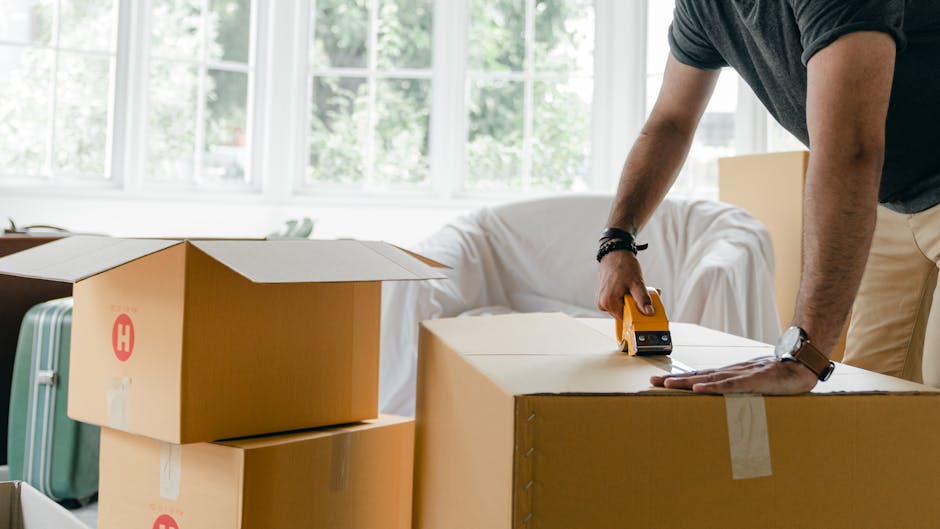
- Packing tape and a tape dispenser so sealing boxes does not become a fiddly, frustrating job.
- Marker pens and labels for room names, contents, and handling notes.
- Wrapping paper, paper pads, or soft packing materials for fragile items.
- Reusable covers or blankets for furniture edges and larger items.
- Sealable bags for screws, remote controls, and small accessories.
- Cleaning cloths and basic supplies for wiping items before storage or transport.
If you are using a removals and storage provider, it helps to understand the support documents and service terms before move day. Pages such as insurance and safety, terms and conditions, and payment and security are worth a look because they explain practical expectations around service use, payment handling, and safety procedures.
For people who value a straightforward company background before booking, the about us page can also help set expectations. And if you need to ask questions directly, the contact page is the obvious next step.
Law, Compliance, Standards, or Best Practice
For most household moves, packing is guided more by best practice than by complex law. Still, there are a few sensible standards to keep in mind.
First, do not pack hazardous items carelessly. Common household products such as certain cleaning chemicals, aerosols, or anything flammable should be handled cautiously and in line with the guidance provided by your removals or storage provider. If you are unsure, ask before moving it. That is not fussiness; it is smart risk management.
Second, use proper manual handling habits. Lift with care, keep loads manageable, and avoid twisting while carrying heavy boxes. A back injury can derail a move far more than a broken mug ever will.
Third, if items go into storage, pack them clean and dry. Damp boxes, mould-prone fabrics, or badly sealed containers can create problems later. Providers typically set out their safety and acceptance expectations in service information such as health and safety policy and insurance and safety.
Finally, remember that some items may need special handling because of value, fragility, or access. Best practice is to identify those early, not once the van door has already closed.
Options, Methods, or Comparison Table
Different packing methods suit different moving situations. Here is a practical comparison to help you choose the right approach.
| Packing method | Best for | Advantages | Watch-outs |
|---|---|---|---|
| Room-by-room packing | Most house moves | Easy to label, easy to unpack, clear structure | Needs a bit of planning and discipline |
| Category-based packing | Smaller homes or students | Fast to organise, useful for mixed spaces | Can blur room boundaries if labels are poor |
| Fragile-first packing | Homes with lots of glass, art, or collectibles | Extra protection for delicate items | More materials and more time needed |
| Storage-ready packing | Moves with delays or temporary storage | Better stackability and longer-term protection | Needs moisture control and tighter organisation |
For many Maida Vale households, a blended approach works best: room-by-room for most items, then a separate strategy for fragile goods and anything going into storage. That keeps the move clear without becoming overly complicated.
Case Study or Real-World Example
Here is a realistic example. A couple moving from a one-bedroom flat off a busy Maida Vale street packed everything in the last two evenings before move day. It sounds familiar because, well, it is. Their books went into large boxes, the kitchen was mixed together, and the essentials box was still "somewhere in the spare room" when the movers arrived.
On the day, the problems stacked up. The oversized book boxes were too heavy for the staircase turn. One box split slightly at the bottom. The kettle lead, toaster plug, and cleaning spray had all gone into different boxes, so the first night in the new place felt oddly unfinished. Nothing disastrous happened, but the day was more stressful than it needed to be.
When they moved again a few years later, they packed differently. Books in small boxes. Plates wrapped in paper and stacked vertically where possible. Labels on every side. One essentials bag. Furniture protected before the van arrived. It was still a busy day, of course, because moving always is. But the tone was different. Quieter. More controlled. Less of that frantic rummaging sound in the background.
The real lesson is not that perfection matters. It does not. The lesson is that a few good habits make a visible difference.
Practical Checklist
Use this checklist in the final days before your move. It keeps things grounded when everything starts looking like cardboard.
- Pack heavy items into small boxes only.
- Wrap all fragile items individually.
- Label each box with room, contents, and handling notes.
- Keep essentials separate and easy to reach.
- Seal liquids properly and check lids are secure.
- Remove or bag small parts from furniture.
- Use enough cushioning to stop items moving inside boxes.
- Keep valuable documents and personal items with you.
- Make sure boxes are dry, strong, and not overfilled.
- Set aside items for storage if they are not needed immediately.
- Check access, parking, and timing before the movers arrive.
- Keep a final clean-up kit for the old property and the new one.
Expert summary: The safest packing strategy is usually the simplest one - pack by room, protect fragile items properly, keep weights sensible, and make your first-day essentials impossible to miss. That combination prevents most of the stress people remember later.
Conclusion
Most packing problems do not come from one huge mistake. They come from a series of small shortcuts that seem harmless at the time. A too-large box here, a vague label there, one missing cushion, one forgotten charger. Then move day arrives and the whole thing starts to creak a bit.
If you avoid the common packing mistakes to avoid for Maida Vale house removals, you give yourself a far calmer move, better protection for your belongings, and a much more manageable first night in the new place. That is the real win. Not perfection. Just a move that feels under control.
And if you are still at the planning stage, it may be worth exploring the wider support available, including requesting a quote early so you can make decisions with a clearer picture of timing and cost. Sometimes the smartest move is simply asking a few good questions before the boxes start multiplying.
Get a free quote today and see how much you can save.
Move carefully, pack with a bit of patience, and give yourself room to settle in properly. That first cup of tea in the new home tastes better when nothing has broken on the way.
Frequently Asked Questions
What is the biggest packing mistake people make during a house move?
The most common mistake is overfilling boxes, especially with heavy items like books or crockery. It makes lifting harder, increases the chance of damage, and slows the whole move down.
How far in advance should I start packing for a Maida Vale move?
Ideally, start with non-essential items two to four weeks before move day if you can. Leave everyday items for last so the home stays usable while you prepare.
Should I pack room by room or by item type?
Room by room usually works best for most homes because it makes unpacking easier. For specialist items such as artwork, electronics, or fragile glassware, a separate category-based approach can help.
What should go in an essentials box?
Keep items you will need immediately: kettle basics, tea or coffee, chargers, toiletries, medication, toilet paper, a change of clothes, snacks, and a few key tools. Keep it with you if possible.
How do I stop fragile items breaking in transit?
Wrap them individually, use enough cushioning, fill empty spaces inside the box, and avoid mixing fragile items with heavy objects. Also, make sure the box is clearly labelled and not overloaded.
Are old boxes okay for house removals?
Only if they are still strong, clean, and dry. Weak, crushed, or damp boxes are risky because they can split during lifting or stacking. New boxes are usually the safer bet for important items.
Can I put clothes and books in the same box?
You can, but it is rarely a good idea. Books are heavy and should usually be kept in smaller boxes, while clothes are lighter and can fill larger boxes. Mixing them can create awkward weight balance.
What if I need to store some belongings before moving in?
Choose storage-friendly packing from the start. Use strong boxes, label clearly, keep items dry, and avoid overpacking. Services like secure storage in Maida Vale can be useful if you need extra peace of mind for valuable or sensitive items.
Do I need special packing for furniture?
Yes, especially for tables, mirrors, wardrobes, and anything with detachable parts. Protect corners, remove loose fittings, and keep screws or brackets in labelled bags so reassembly is easier.
What should I do with documents and personal papers?
Keep them separate from the main move boxes and carry them yourself where possible. If you have business files or archived records, dedicated document storage may be more practical than mixing everything into household boxes.
How can I make unpacking easier?
Use clear labels, pack by room, and mark the boxes you will need first. Unpacking becomes much less stressful when the essentials are easy to find and the boxes arrive in sensible groups.
Is it worth getting storage if my move dates do not line up?
Yes, often it is. Temporary storage can reduce pressure and prevent rushed packing. It also helps if you are downsizing or waiting for access to the new property. A good short-term plan can make the whole move feel far less chaotic.