Castellain Road removals building manager permissions guide
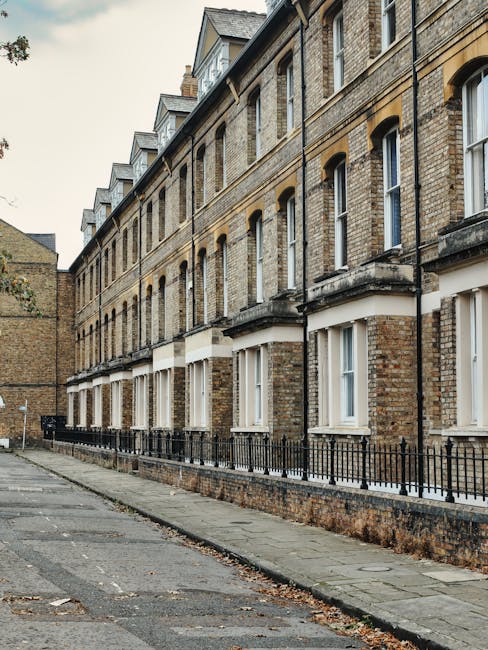
If you are planning a move on Castellain Road, the building manager can make the difference between a smooth day and a stressful one. This Castellain Road removals building manager permissions guide explains what to ask for, when to ask it, and how to avoid the small access issues that turn into big delays. In a street of mansion blocks, converted flats, and busy London traffic, permissions are rarely just a formality. They are part of the move itself.
Truth be told, most moving problems on London residential streets are not about lifting boxes. They are about keys, lift bookings, parking, floor protection, and a manager who quite reasonably wants notice. The good news? Once you understand the process, it becomes fairly straightforward. Below, you will find a practical, human guide that covers the steps, the risks, the common mistakes, and the best way to keep everyone on speaking terms.
Why Castellain Road removals building manager permissions guide Matters
Castellain Road sits in an area where access can be tight, parking can be competitive, and many buildings have their own rules for moves. That means permissions are not just a polite extra. They are how you avoid clashing with neighbours, getting stuck at the kerb, or discovering on moving morning that the lift cannot be used until 10:00 a.m. because nobody booked it.
For removals, a building manager usually controls some combination of entry arrangements, lift usage, loading bay access, protect-the-common-areas requirements, and the timing of move-ins or move-outs. On paper, those rules may feel a bit fussy. In real life, they prevent damage, noise complaints, and accidental disruption. And to be fair, nobody wants to be that person wheeling a sofa across a shared hallway while everyone else is trying to leave for work.
It matters even more in shared residential blocks because one move can affect several households. The lobby may be narrow. The staircase may be delicate. The parking may need a permit or timed booking. A simple permission check before the move can save hours on the day.
Expert summary: The smartest removals on Castellain Road are the ones planned around the building, not just around the van. Permissions, access rules, and timings are part of the route, not an afterthought.
How Castellain Road removals building manager permissions guide Works
The process is usually simple once you break it into parts. You contact the building manager or managing agent, explain the move, and ask what approvals or notices are required. Then you confirm the details with your removal team so the schedule, vehicle size, and crew plan match the building's rules. That sounds obvious, but you would be surprised how often the last step gets missed.
In most London blocks, permission is about practical control rather than formal approval in a legal sense. The building manager may ask for:
- the move date and estimated time window
- details of the removal company or vehicle
- proof of insurance
- lift or service lift booking times
- floor and wall protection requirements
- parking or loading instructions
- a deposit for potential damage, where the building allows this
Some buildings want notice several days in advance. Others ask for longer, especially if there are concierge arrangements or lift protection to install. The exact lead time varies, so the safest move is to ask early rather than assume anything. Early, really early, if the building is busy.
Once permission is confirmed, your removals team can plan the logistics properly. That includes arrival time, parking position, whether a small vehicle is better than a larger one, and whether extra hands are needed for stairs or awkward access. This is where a good local mover earns their keep.
Key Benefits and Practical Advantages
Getting building manager permission is not just about being compliant. It improves the entire move. When access is confirmed in advance, the team can work faster, quieter, and with fewer surprises.
The main advantages are:
- Fewer delays: no last-minute waiting for a lift slot or security clearance.
- Less physical strain: the right access route means less carrying on stairs.
- Reduced damage risk: protection rules are clearer, so walls, floors, and doors stay safer.
- Better neighbour relations: notice helps reduce complaints and friction in the building.
- More accurate scheduling: you know what time the move can actually start, not just what time the van arrives.
- Smarter cost control: fewer delays often means fewer labour hours and fewer avoidable charges.
There is also a quieter benefit that people often miss: peace of mind. Moving day already has enough moving parts. A clear permission plan removes one large source of uncertainty. That alone is worth something.
If your move is part of a wider relocation, you may also want to think about where items will go before and after the move. Services such as removals and storage or short-term storage can be useful when building access or completion timings do not line up neatly.
Who This Is For and When It Makes Sense
This guide is relevant to a wide range of movers on and around Castellain Road. If you live in a block of flats, a converted period property, a managed apartment building, or a shared mews-style residence, permissions are probably part of your move. If there is a lift, concierge, communal hall, or restricted parking bay, it is even more relevant.
It makes sense for:
- tenants moving in or out of flats
- leaseholders coordinating with a managing agent
- landlords arranging vacant-property moves
- families moving from larger flats with difficult access
- small office or home-office moves in mixed-use buildings
It also matters if you are using a compact vehicle or a team service such as man and van, because smaller jobs can still trigger the same access rules. Smaller does not mean simpler. A tiny van can still need the same booking, the same parking space, and the same lift slot as a bigger move.
If you are moving a few items only, the building manager may still expect notice. That is especially true in well-managed blocks where residents' peace and common-area safety are taken seriously. Honestly, that is usually a good thing.
Step-by-Step Guidance
Here is the process that tends to work best in practice. It is not glamorous, but it is reliable.
- Check your building rules first. Look for a move policy, resident handbook, lease notes, or emails from the managing agent. If you cannot find anything, ask directly.
- Contact the building manager early. Give them the proposed date, your flat number, and the name of the removal company if you already have one.
- Ask what they need from you. Common requests include insurance details, vehicle registration, lift booking forms, and a notice period.
- Confirm access times. Find out when the move can start, when the lift can be used, and whether there are any quiet hours or restricted periods.
- Check parking and loading arrangements. On streets around Castellain Road, this step can make or break the schedule. If the van cannot stop near the entrance, everything takes longer.
- Protect the building and your items. Confirm whether the building wants floor runners, wall covers, or door protection. Your movers may provide these, but not always in every scenario.
- Share the final plan with your removal team. The crew should know the access route, lift rules, any restrictions, and the best arrival time.
- Leave a little breathing room. London traffic, weather, and building traffic can all nudge timing around. A 9:00 a.m. start that turns into a 9:20 a.m. real start is not unusual.
One useful habit: keep a single message thread or note with the manager's name, phone number, move window, and any special instructions. That way, if someone asks on the day, you are not rummaging through old emails while a wardrobe sits in the hallway. Been there. Nobody enjoys that moment.
For moves where timing and packing matter just as much as permissions, professional help with packing services can reduce pressure the night before. Fewer loose items, fewer headaches. Simple as that.
Expert Tips for Better Results
Small choices make a big difference on moving day. In our experience, the best results come from the boring details done well.
1. Confirm who is actually authorising the move. Sometimes the building manager handles it. Sometimes it is the managing agent. Sometimes there is concierge involvement. If you ask the wrong person, the answer can be delayed for days.
2. Ask about protection requirements in plain English. Do they want hard floor runners? Cardboard? Felt wraps on corners? Do not guess. A quick, specific question saves a messy misunderstanding later.
3. Plan for the worst parking case, not the best one. If the road is narrow or spaces are in demand, assume you may need to work a little harder to get close to the entrance. That sounds pessimistic. It is just sensible.
4. Keep the removal crew aligned with the building's schedule. A crew arriving before the lift opens is a very expensive cup of tea.
5. Use the permission step to reduce the move size if needed. If your building has tight access, consider splitting the move or using small removals for smaller loads. Sometimes two tidy trips are better than one chaotic one.
6. Ask for written confirmation. A short email is enough. It helps if questions come up later about timing, parking, or building rules.
7. Think beyond the move itself. If you are reorganising your home, longer-term solutions like household storage or furniture storage can make the whole process calmer.
And one small human tip: keep a phone charger, kettle, a mug, and some snacks in a separate bag. It sounds almost too simple, but in the middle of moving-day noise, those little comforts matter more than you'd think.
Common Mistakes to Avoid
The same avoidable issues come up again and again. Most are not dramatic, just irritating. Which is almost worse, frankly.
- Leaving permission until the last minute. This is the big one. Building managers are not always available instantly, and lift bookings can fill up.
- Assuming a removal company will sort everything. Good movers help a lot, but the resident or leaseholder often still needs to make the first building contact.
- Not checking parking restrictions. Even a perfectly timed move can unravel if the vehicle has nowhere to pause safely.
- Ignoring building protection rules. Damage to shared areas can lead to complaints, charges, or awkward follow-up emails.
- Forgetting about the return journey. If you are moving out, check when keys must be handed back and whether the building expects the move to finish by a certain time.
- Using vague wording. "Morning sometime" is not helpful. "Between 8:30 and 10:00 a.m." is much better.
The most expensive mistake is usually not a huge one. It is a pile of tiny ones: no notice, no booking, no parking plan, no written confirmation. Enough said.
Tools, Resources and Recommendations
You do not need fancy software to manage permissions. A few simple tools and habits are enough.
- Calendar reminders: set alerts for the permission request, lift booking, and packing deadline.
- Shared notes: keep building contact details, move instructions, and vehicle information in one place.
- Photo records: take quick photos of hallways, floors, and any pre-existing marks before the move. It is not about being suspicious. It is just tidy record-keeping.
- Printed copies: some buildings still appreciate a paper confirmation or a named contact sheet at reception.
- Proper packing materials: strong boxes, tape, covers, and labels reduce chaos when the actual move starts.
If you need temporary holding space while access or completion timing settles, compare options such as self storage, secure storage, or mobile self storage. Different moves need different levels of flexibility, and it is worth matching the storage method to the problem rather than choosing the first thing you see.
For more practical moving context, the site's blog also covers local removal situations and planning issues that commonly come up in Westminster and nearby streets. The details matter. They really do.
Law, Compliance, Standards, or Best Practice
This kind of move usually sits somewhere between practical building management and general property rules. It is not normally about one single universal rulebook. Instead, it is about respecting the building's own procedures, any lease or tenancy obligations, and the normal duty of care that applies when using shared areas.
In practice, that means a few things:
- do not block entrances, fire routes, or shared access ways
- follow lift and loading instructions
- use reasonable protection for communal floors and walls
- check whether the building requires evidence of insurance
- avoid noisy or disruptive activity outside the approved window
If your building asks for proof of insurance or safety information, that is a sensible administrative step, not a nuisance. Reputable removal companies should be ready to provide relevant details. You can also review company-wide policies such as insurance and safety and health and safety policy to understand how risk is managed in a structured way.
There may also be environmental expectations where buildings prefer recycling, reuse, or careful disposal. If that affects your move, it helps to read a company's recycling and sustainability approach before you book. It is one of those little things that makes the whole process feel better organised.
One more careful point: rules and responsibilities can vary depending on whether you are a tenant, leaseholder, landlord, or managing an office-style move. If something is unclear, ask for clarification in writing. That is not being awkward. That is being sensible.
Options, Methods, or Comparison Table
There is more than one way to handle a move on Castellain Road. The right option depends on access, volume, building rules, and how much time you have.
| Approach | Best for | Strengths | Watch-outs |
|---|---|---|---|
| Full removals service | Large home moves, tight schedules, multi-room properties | Most support, fewer tasks for you, easier coordination with building access | Needs proper planning and clear permission details |
| Man and van | Smaller flats, single-room moves, lighter loads | Flexible, often quick to arrange, cost-effective for modest jobs | Still needs accurate building and parking information |
| Removals plus storage | Delayed completions, downsizing, renovations | Builds flexibility into the move timeline | Requires extra coordination and clear item labelling |
| Packing-only support | Busy households, fragile items, last-minute preparation | Speeds up move day and reduces breakages | Still depends on good booking and access planning |
For many people, the best answer is a blended one. A smaller property may only need a compact crew and good permissions. A larger flat with awkward access may need more hands, better packing, and a storage buffer. There is no prize for making it harder than it needs to be.
Case Study or Real-World Example
Picture a standard move from a second-floor flat on Castellain Road. The building has a lift, but it must be booked. The entrance has a shared hallway, and the road outside is busy enough that stopping in the wrong place would create a fuss. Nothing unusual, just very London.
The resident contacts the building manager a week ahead and asks for the move rules. They are told the lift is available only in a two-hour window, floors must be protected, and the removals company should send vehicle details in advance. The resident then confirms the same details with the movers, books the slot, and packs the most fragile items separately.
On the day, the team arrives with the right vehicle size, the building staff know they are coming, and the lift is free when needed. There are no awkward waiting periods in the rain, no frantic phone calls, and no surprise complaints from neighbours. The move still takes effort, of course. Moves always do. But it feels orderly rather than chaotic.
Now compare that with the version where nobody checks access in advance. The crew arrives early but cannot use the lift yet. The van blocks a narrow stretch. A neighbour needs to leave. A manager is unavailable. Suddenly the whole thing slips by an hour or more. That is the real reason this guide exists. Not because permissions are exciting. Because they are quietly powerful.
Practical Checklist
Use this checklist before moving day. It is simple, but it covers the essentials.
- Confirm the building manager or managing agent contact details
- Ask for the move policy and any booking form
- Check the notice period required
- Book the lift or service lift if needed
- Confirm parking, loading, and vehicle access rules
- Ask whether floor, wall, or door protection is required
- Share the access instructions with your removal team
- Confirm whether proof of insurance is needed
- Label items clearly for quick unloading
- Set aside essentials for the first day in the new place
- Keep written confirmation of all permissions
- Plan a small buffer for traffic or lift delays
Quick takeaway: if you can answer who, when, where, and how before moving day, the building manager side of the move is usually under control. Not perfect, maybe. But properly managed.
Get a free quote today and see how much you can save.
Conclusion
A good Castellain Road move is not just about muscle and boxes. It is about access, timing, communication, and a bit of respect for the building you are moving through. Once the permissions are sorted, everything else becomes easier to manage.
If you take one thing from this guide, let it be this: contact the building manager early, get the rules in writing, and share them with your movers before the van sets off. That single habit removes a surprising amount of stress. And on moving day, less stress is worth quite a lot.
Keep the process calm, keep the paperwork tidy, and give yourself a small margin for the unexpected. That is usually what turns a difficult day into an ordinary one. Which, honestly, is exactly what you want.
Frequently Asked Questions
Do I always need building manager permission for a move on Castellain Road?
Not every property uses the same process, but most managed buildings, blocks of flats, and shared residences do want notice or permission. It is safest to check early rather than assume the move can just happen.
How far in advance should I contact the building manager?
As early as you can. Some buildings only need a few days, while others ask for longer because lift bookings and access arrangements need to be coordinated. Early contact avoids last-minute pressure.
What information does the building manager usually ask for?
They often want the move date, time window, flat number, removal company details, vehicle information, insurance evidence, and any special access requirements. In some cases, they may also ask for a damage deposit or lift booking form.
Can my removals company deal with the permissions for me?
Sometimes they can help, especially with planning and documentation, but the building may still expect the resident or leaseholder to make the formal request. It is best to check who needs to submit the notice.
What if the building manager is unavailable when I need approval?
Keep written records of your attempts to contact them and ask for an alternative contact, such as the managing agent or concierge. If timing is tight, let your removals team know straight away so they can plan around the delay.
Do I need permission for a small move or man and van job?
Very often, yes. A smaller move can still need lift access, parking arrangements, or shared-area protection. The size of the job does not always reduce the building's requirements.
What happens if I move without permission?
You may face delays, complaints, restricted access, or charges if damage or disruption occurs. Even if nothing serious happens, it can create unnecessary tension with the building team and neighbours.
Should I get everything confirmed in writing?
Yes, whenever possible. A short email confirming the time, access arrangements, and any building rules is extremely useful if questions come up on the day.
Do I need to tell the building manager about parking for the removal van?
Absolutely. Parking and loading are often the most practical issues on a narrow London street. If the van cannot stop safely near the entrance, the move can slow down very quickly.
What if the building asks for floor protection or insurance details?
That is a normal request in many managed buildings. Your removal company should be able to advise on protection measures and provide the relevant insurance information if needed.
Is storage helpful if the building permissions are awkward?
Yes, sometimes. If move-in and move-out dates do not line up neatly, storage can give you breathing room. It is especially useful during renovations, delayed completions, or staged moves.
What is the biggest mistake people make with move permissions?
The biggest mistake is leaving it too late. Most problems come from avoidable delays: no booking, no confirmation, no parking plan. A bit of early admin makes the day feel far more manageable.